
When Chemical Classification Meets Dangerous-Goods Transport
Blue Frog provides specialist safety-adviser support where dangerous-goods transport, chemical classification, CLP and Safety Data Sheets come together.
We help businesses determine the transport provisions that apply to their products, check whether the information in an SDS is technically justified, and resolve difficult or uncertain classifications.
Blue Frog’s dangerous-goods classification support covers transport by road under ADR. Our service does not cover transport by air, sea, rail or inland waterway, or the classification of explosives, gases or radioactive materials. Within this scope, we provide specialist support on the chemical, CLP and Safety Data Sheet questions that inform road-transport classification.
Responsibility for dangerous-goods transport may sit with an appointed safety adviser – commonly known as a Dangerous Goods Safety Adviser (DGSA) or Safety Adviser for the Transport of Dangerous Goods (SATDG) – an internal logistics or compliance team, or another external specialist.
Blue Frog will work alongside whoever manages that responsibility – providing focused expertise in chemicals, CLP, Safety Data Sheets and dangerous-goods classification. Our role is to support the technical decisions that depend on chemical expertise, not to assume responsibility for the wider operational transport function.
Chemical Expertise to Support Dangerous-Goods Decisions
Transport requirements cannot always be determined by reading the hazard statements on a label or copying information from an existing Safety Data Sheet.
CLP and transport classification draw on some of the same chemical properties, but they apply different criteria and serve different purposes. Establishing the correct transport position may require closer examination of the product’s composition, physical properties, toxicological or environmental hazards and available supporting evidence.
This is where Blue Frog’s combination of expertise is particularly valuable. We understand both the chemical classification behind the product and the practical context in which the transport information will be used.
The result is advice that connects the underlying science with the requirements of dangerous-goods transport.
Specialist ADR Classification Support for Safety-Advisers
A safety adviser may occasionally encounter a classification that depends on chemistry outside the normal focus of their transport role.
Blue Frog can act as a technical resource for difficult substances, complex mixtures and questionable Safety Data Sheets. This may involve reviewing an uncertain UN entry, investigating conflicting supplier classifications, assessing the effect of a formulation change or developing a technically supported response to a client, carrier or regulator.
Support can range from a second opinion on a single classification to continuing technical assistance across a portfolio of clients. Our involvement can be visible to the client or provided discreetly behind the scenes. This gives independent safety advisers and dangerous-goods consultancies access to specialist chemical knowledge when they need it, without requiring them to maintain that capability for every assignment.
Understanding When a Safety-Adviser Appointment May Be Required
Businesses are not always aware that their activities may bring them within the dangerous-goods rules. Manufacturers, formulators, importers and distributors can have responsibilities even when the physical transport is outsourced to a carrier.
Equally, involvement with hazardous products does not automatically mean that every business must make a formal safety-adviser appointment. The position depends on the activities performed, the products and quantities involved, and whether an applicable exemption is available.
Blue Frog can review how the business participates in the transport chain, consider whether an appointment may be required and identify whether a relevant exemption appears to apply. Where several advisers or specialists are involved, we can also help clarify the scope of chemical-classification support required.
Pragmatic Portfolio Screening & Prioritisation
Large product ranges do not necessarily require every classification to be reassessed in full.
Blue Frog can begin by screening the available product and SDS information to identify apparent inconsistencies, missing evidence, formulation changes and classifications most likely to warrant closer attention. Products can then be prioritised according to the level of uncertainty, the potential significance of an incorrect conclusion and their importance to the business.
This staged approach directs detailed technical work towards the products that genuinely need it. It avoids spending the same amount of time on every product simply because it appears in the portfolio.
Screening does not replace a full classification assessment where one is required. It provides a proportionate way to decide where that work will deliver the greatest value.
Focused Advice Without Open-Ended Compliance Projects
Not every transport question requires a broad review or ongoing consultancy engagement.
A concern about one product can begin with an SDS transport check. A difficult classification can be treated as a defined technical project. A larger portfolio can begin with screening and prioritisation. Businesses and safety advisers with recurring questions can arrange ongoing specialist support.
We start by establishing the question, the information available and the most proportionate route to an answer.
If the issue is straightforward, we’ll say so. If the conclusion requires further evidence, testing or specialist input, we will explain what is missing and why it matters.
Image
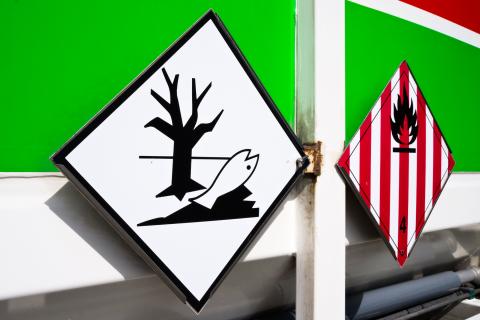
| SDS Section 14 Transport ReviewsBlue Frog reviews the dangerous-goods transport information in Section 14 of a Safety Data Sheet, checking it against the wider product data. We assess whether the stated UN number, transport class, packing group and environmental-hazard status appear complete, internally consistent and technically supported. Where information is uncertain or contradictory, we explain what needs to happen next. Read more about our SDS Section 14 Transport Reviews... | |||
Image
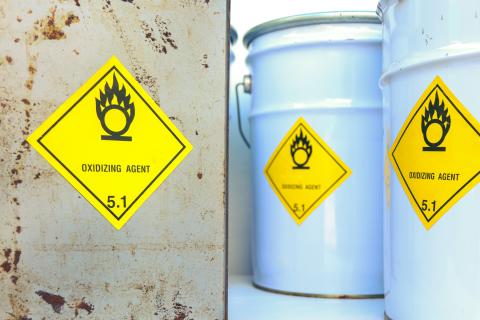
| ADR Transport Classification for Substances & MixturesBlue Frog assesses chemical substances and mixtures against the relevant ADR road-transport criteria. We can establish or verify the applicable UN entry, transport class, packing group and environmental-hazard status, providing a documented technical conclusion and the information needed for Section 14 of the SDS. Learn more about ADR Transport Classification for Substances & Mixtures... | |||
Image
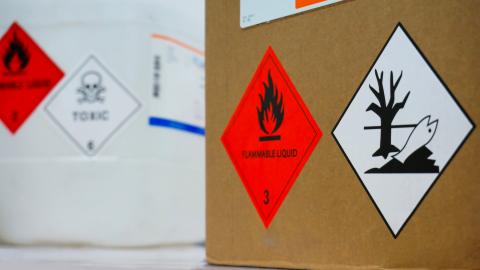
| Product-Portfolio Transport Classification ReviewBlue Frog screens dangerous-goods transport classifications across chemical product portfolios, identifying inconsistencies, data gaps and products that warrant closer attention. Our pragmatic approach prioritises detailed work according to the level of uncertainty, the potential significance of an incorrect classification and the product’s importance to the business. Learn more about our Product-Portfolio Transport Classification Review... |
Ready for Specialist Chemical Support Relating to Dangerous-Goods Classification?
Whether you need specialist support for an existing DGSA or SATDG, help with a difficult ADR classification, or additional chemical expertise for an internal logistics or compliance team, call or email Blue Frog and speak directly with a certified Safety Adviser for the Transport of Dangerous Goods.
We’ll discuss your activities, products and existing arrangements, identify the questions that need to be resolved and define a proportionate scope for the advisory or classification support you require.